How to Choose an Air Conditioner for Your Room

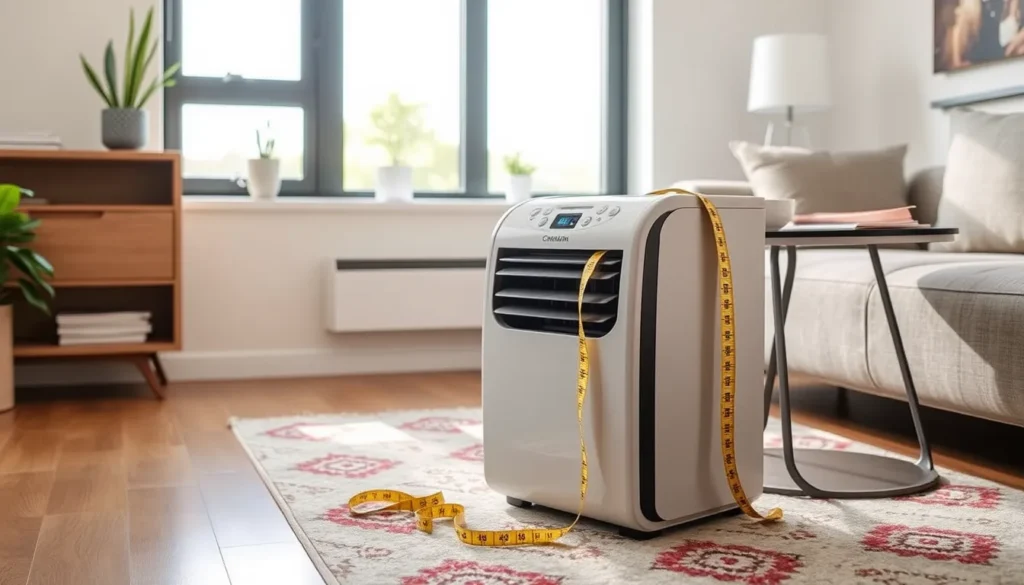
If you are standing in an electronics aisle or scrolling through online listings, overwhelmed by conflicting advice, this guide cuts through the noise. It is designed for homeowners and renters who want to confidently select an air conditioning unit that matches their room's size, usage patterns, and budget without being lost in technical jargon.
Instead of just listing features, we walk through the logical sequence of decision-making. You will learn why specific measurements dictate your cooling capacity and how energy ratings translate into actual operating costs. By understanding the reasoning behind each choice, you can make a practical, informed decision that fits your living space efficiently.
Assessing Your Room’s Cooling Needs
Before browsing specifications, you must determine the actual cooling load your space requires. Start with basic geometry. Measure the length and width of the room in feet, then multiply them to find the square footage. If you have unusually high ceilings, factor in the height, as standard calculations often assume eight-foot ceilings. This baseline gives you a starting point, but several environmental factors will increase that number.

Direct sun exposure significantly impacts thermal gain. Rooms with large windows facing the afternoon sun need more capacity than shaded areas. Similarly, poor insulation or single-pane windows allow heat to penetrate, forcing the unit to work harder. Occupancy matters too; each person adds body heat to the environment. A bedroom used by two people requires more power than an empty office.
This is where BTU (British Thermal Unit) comes in. A BTU measures the amount of heat a unit can remove from a room in one hour. It is the standard metric for cooling power. You do not want to guess this number. If you select a unit with too few BTUs, it will run constantly without reaching the desired temperature, leading to higher energy bills and wear. Conversely, an oversized unit will cool the room quickly but fail to dehumidify properly, leaving the air feeling muggy. Match the calculated load to the BTU rating to ensure the system cycles efficiently, maintaining both temperature and humidity levels comfortably.
Selecting the Right Unit Type
With the correct cooling capacity identified, the next decision involves the physical form factor of the unit. The choice between a Window Unit, a Split System, and a Portable AC dictates your installation effort, noise footprint, and overall cost.
A Window Unit is the most straightforward option. It installs directly into an existing window frame, requiring minimal DIY work. However, this configuration often results in higher noise levels because the compressor and fan are located inside the room. Aesthetically, it occupies window space and may look bulky, which can be a concern in living areas where appearance matters.
In contrast, a Split System, specifically a ductless mini-split, offers superior efficiency and quieter operation. The noisy compressor sits outdoors, while only the sleek indoor air handler is visible inside your room. This setup provides precise temperature control and better aesthetics. The trade-off is complexity; installing a split system requires drilling through walls for refrigerant lines and electrical connections. Professional installation is standard to ensure safety and maintain warranty coverage.
Portable ACs offer the highest flexibility, as they can be moved from room to room. They require a window venting kit, which can be cumbersome. While they avoid permanent installation, they are generally the least efficient option. The exhaust hose creates a heat leak, reducing cooling performance. Additionally, the unit itself generates noise on the floor.
Choose a window unit for budget-conscious DIY projects in single rooms. Opt for a split system if you prioritize long-term savings, silence, and a clean look, and are willing to invest in professional setup. Select a portable unit only if you need to cool multiple spaces sequentially or lack any window or wall space for other types.
Understanding Energy Efficiency and Operating Costs
Once you have selected a unit type, focus on efficiency ratings to predict long-term expenses. The SEER (Seasonal Energy Efficiency Ratio) rating indicates how efficiently a system converts electricity into cooling power over a typical cooling season. A higher number means the unit produces more cooling for less energy. While a high SEER unit costs more upfront, it reduces the load on your electrical grid and lowers monthly utility bills. Over several years, these cumulative savings can offset the initial premium, making efficient models a smarter financial choice for frequently used rooms.
The core mechanism behind this efficiency is often Inverter Technology. Standard compressors operate in a binary mode: they turn on at full capacity to cool the room, then shut off completely once the desired temperature is reached. This constant cycling creates temperature swings and wastes energy during startup. Inverter compressors, however, adjust their motor speed continuously. They ramp down to a lower, steady pace once the room reaches the set temperature, maintaining comfort with minimal power draw. This smooth operation not only saves electricity but also reduces wear on the internal components.
When budgeting, balance the purchase price against projected running costs. A slightly more expensive unit with superior SEER ratings and inverter technology will typically outperform a cheaper, standard model in efficiency. Calculate your estimated usage hours per day. If you plan to run the air conditioner continuously, the energy savings from a high-efficiency unit become significant. For occasional use, the difference in operating costs may be negligible, allowing you to prioritize lower upfront expenditure. Always compare the total cost of ownership rather than just the sticker price to make an informed decision that aligns with your long-term financial goals.
Key Features That Impact Comfort and Usability
Once you have settled on size and efficiency, focus on features that directly influence daily comfort. Programmable timers allow you to set specific on and off times, ensuring the room cools before you arrive or shuts down during sleeping hours to save energy. Sleep modes complement this by gradually raising the thermostat throughout the night, preventing the discomfort of waking up too cold while maintaining a consistent, quiet environment.
For better indoor air quality, look for units with built-in air purification filters. These capture dust, pollen, and other particulates as the air circulates, which is particularly beneficial for individuals with allergies or respiratory sensitivities. While they do not replace dedicated air purifiers, they provide a convenient baseline for cleaner room air with minimal extra effort.
Control convenience matters as much as the cooling itself. A reliable remote control is essential for adjusting settings without leaving your seat. For added flexibility, many modern Split Systems offer smartphone integration, allowing you to monitor temperature, check filter status, and adjust settings from your phone. This is especially useful if you return home unexpectedly and want to pre-cool the space or verify that the unit is operating correctly.
Finally, consider noise levels, measured in decibels. Indoor units generally operate more quietly than outdoor units, but the difference is critical for bedroom use. A low-decibel indoor unit ensures that the background hum does not disrupt sleep or conversation, making it a key factor for anyone prioritizing a peaceful living space.
Installation Considerations and Maintenance
Before purchasing, verify that your installation site can support the chosen air conditioning unit. For a Window Unit, inspect the window frame’s structural integrity. The frame must be sturdy enough to bear the weight of the appliance without warping or compromising the seal. Measure the exact opening dimensions to ensure a snug fit, as gaps lead to significant energy loss and reduced cooling performance.
If you are opting for a Split System, plan the placement of both indoor and outdoor components carefully. The indoor unit requires adequate wall or ceiling space for proper airflow and aesthetic integration. The outdoor condenser needs a stable, level surface away from high-traffic areas, with sufficient clearance for ventilation. Professional installation is highly recommended for split systems to ensure refrigerant lines are correctly routed and sealed, preventing leaks that could damage the compressor.
Regardless of the type, proper sealing is non-negotiable. Air leaks around window units or wall penetrations allow warm outdoor air to infiltrate the room, forcing the unit to work harder and increasing electricity consumption. Use foam strips, weatherstripping, or mastic sealant to close these gaps completely.
Regular maintenance preserves efficiency and extends the lifespan of your equipment. Clean or replace air filters every few weeks during peak usage periods. Clogged filters restrict airflow, causing the system to overheat and reducing cooling capacity. Additionally, check the drainage system monthly to ensure condensate is flowing freely. Blocked drains can cause water damage to your walls or ceiling. For inverter technology units, keeping the coils clean is particularly important to maintain their ability to modulate power efficiently. A simple annual professional inspection can identify minor issues before they become costly repairs.
